Impact Resistant Conveyor Belt with Breaker Ply
Manufactured by HILFLEX® in India to IS 1891 and DIN 22102
At a crusher discharge or a truck tipping hopper, stones and lumps fall straight onto the belt. A normal belt takes this for a while, then the top cover starts getting cut and gouged, and the damage reaches the fabric carcass. Once the carcass is hit, the belt has to come off.
The HILFLEX® impact resistant conveyor belt is built for exactly these points. An extra open-weave fabric layer, called a breaker ply, sits between the top rubber cover and the carcass. It spreads the force of each falling lump over a wider area and holds the cover together, so cuts stay in the rubber and do not travel into the plies.
At a glance
| Construction | EP / Nylon fabric carcass with breaker ply under the top cover |
| Cover grade | M-24, SAR or another grade, chosen for the material you handle |
| Belt width | 300 mm to 3200 mm |
| Standards | IS 1891 and DIN 22102 |
| Made at | Our Jalandhar (Punjab) unit, which makes breaker-ply and multi-ply belts |
Where an impact resistant belt is used
- Primary and secondary crusher discharge in stone crushers and mines
- Coal crusher houses and wagon or truck tippler hoppers
- Transfer chutes where material drops from one conveyor to another
- Boulder and overburden handling in open-cast mines
What the breaker ply does for you
- Takes the first hit from sharp, heavy lumps
- Stops cover cuts from reaching the carcass
- Helps the belt hold its joints and edges under repeated impact
- Gives more running time between belt changes at loading points
Details we need to suggest the right belt
Material and lump size, drop height at the loading point, conveyor capacity, belt width, number of plies, top and bottom cover thickness, and pulley diameters. If you are not sure about any of these, our engineer can visit your plant and check the application.
Frequently asked questions
Is a breaker ply the same as adding one more ply?
No. A normal ply carries the belt tension. A breaker ply is a lighter, open fabric placed just under the top cover to protect the carcass from impact.
Does the whole belt need to be impact resistant, or only the loading zone?
The belt runs as one loop, so the whole belt carries the breaker ply. Impact beds or impact idlers at the loading point add more protection.
Can I get test reports with the belt?
Yes. Data sheets and quality test reports are available on request.
Related belts and industries
Where this belt is used
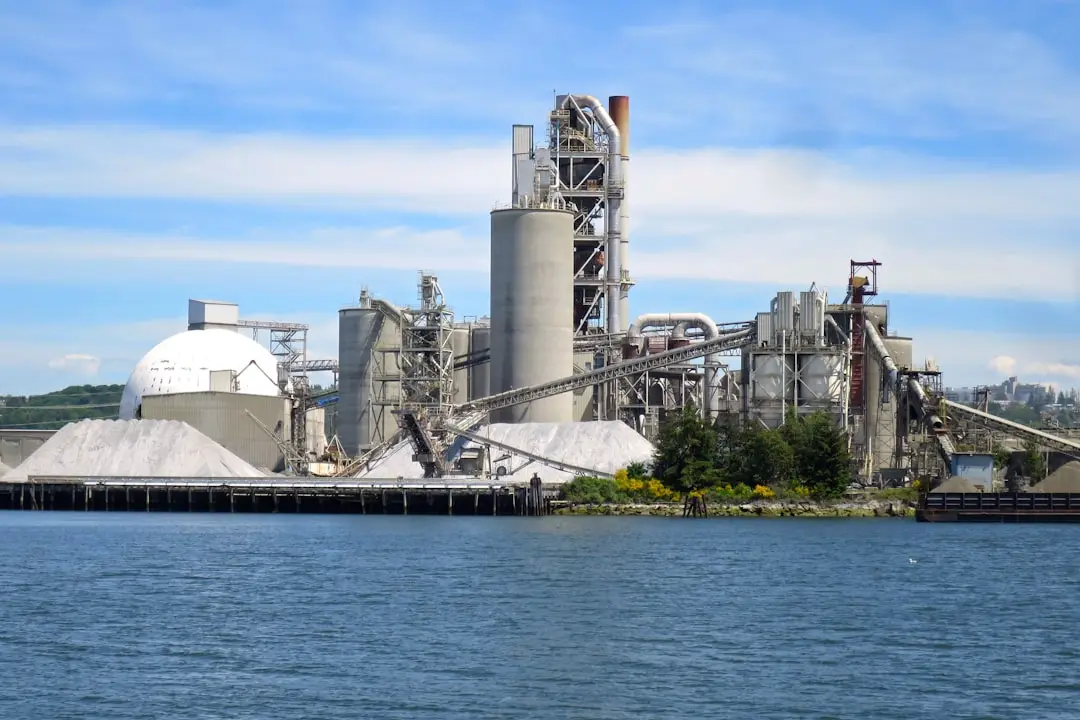
Cement Industry
Belts for limestone, clinker and hot bulk material through crushing, stacking and kiln feed lines.

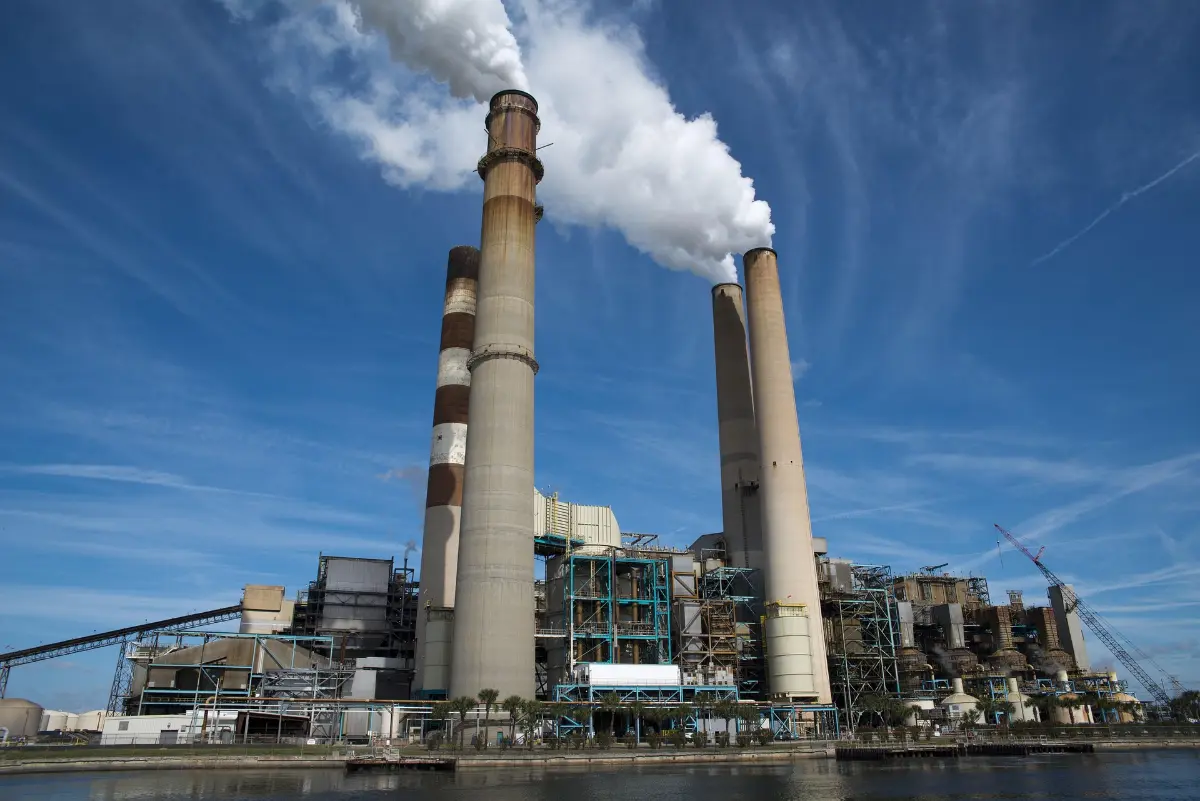
Thermal & Power Industry
Fire and heat resistant belts for coal feeding, ash handling and boiler zones.
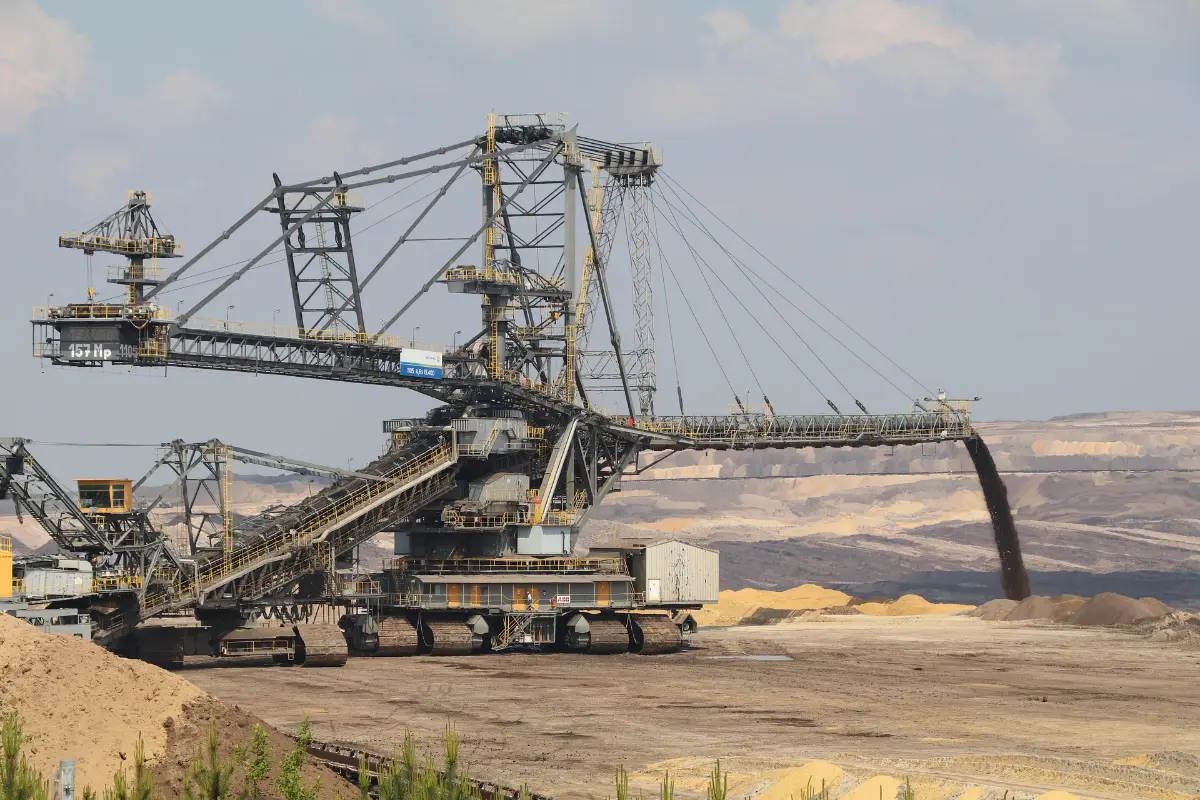
Mining Industry
Rugged belts for raw ore, boulders and overburden, built for long runs and high impact.
Sponge Iron & Steel Industry
High strength belts for slag, iron ore, coke and sinter in heat and impact zones.
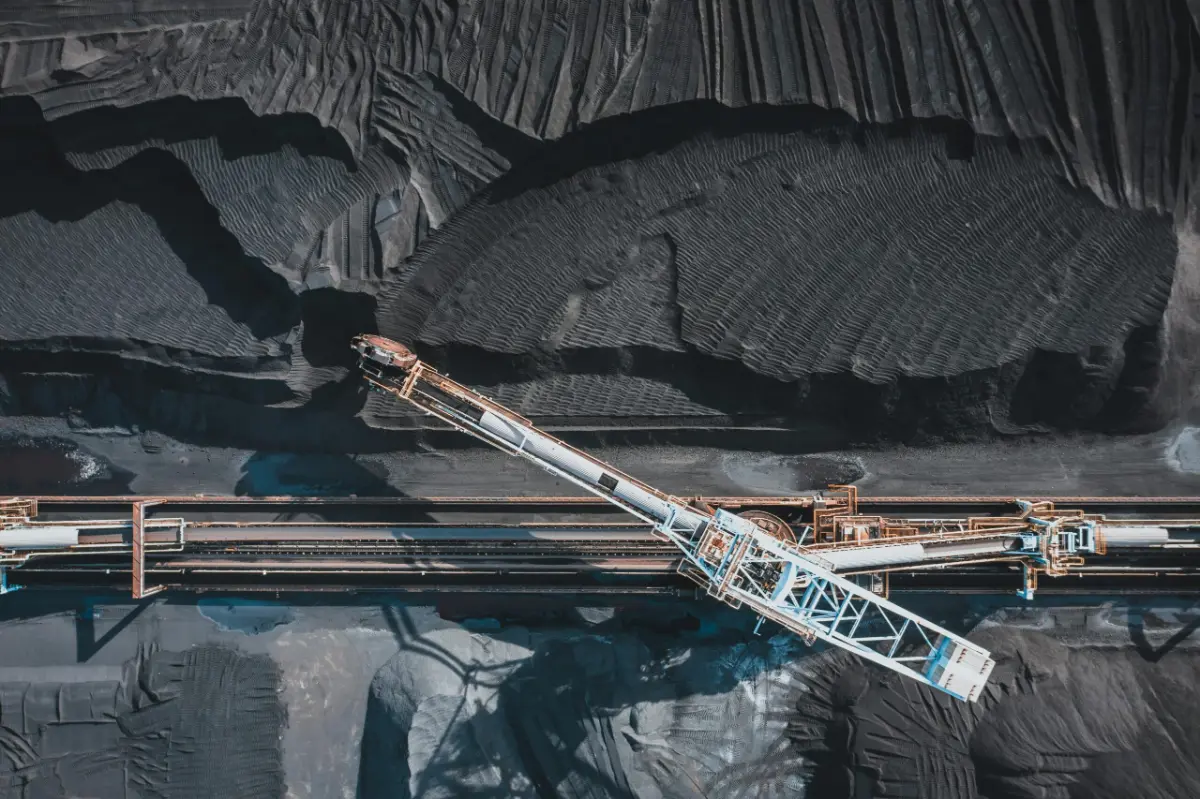
Coal Handling Industry
Flame and impact resistant belts for crushers, stockpiles, hoppers and bunkers.
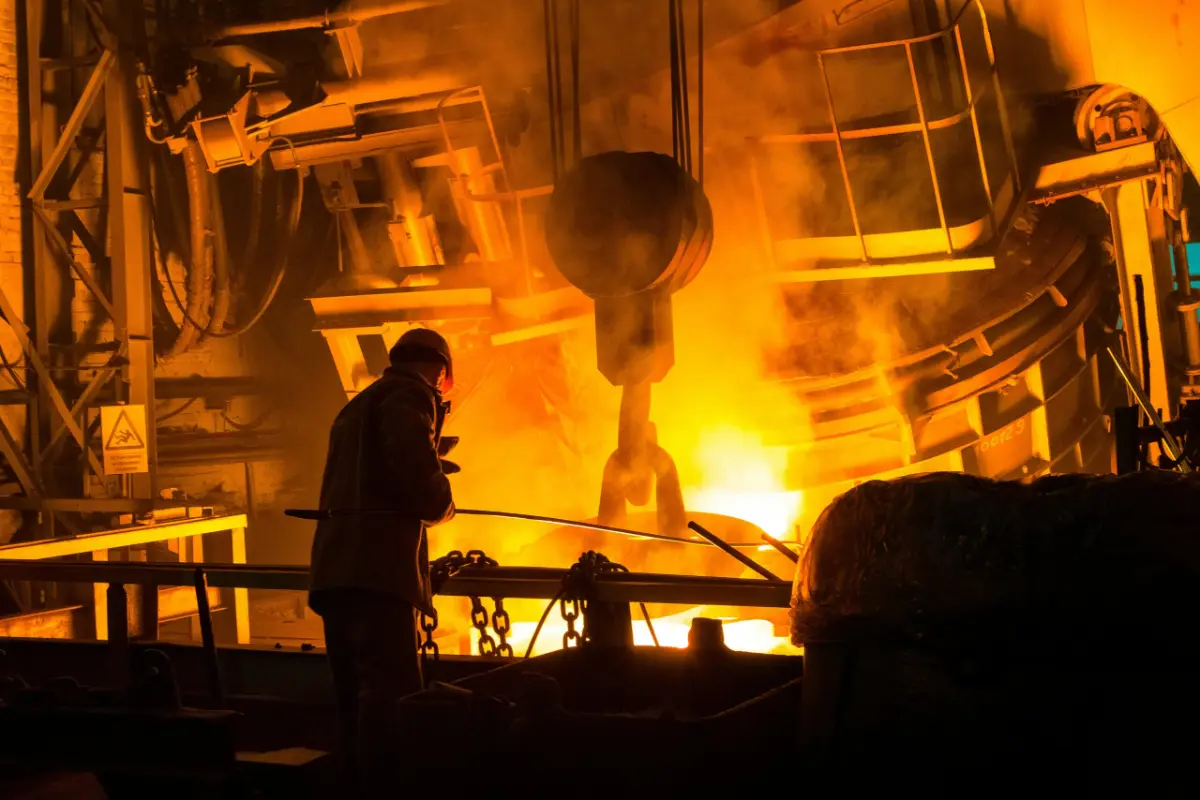
Foundry & Smelting Industry
Heat and abrasion resistant belts for hot scrap, slag, casting sand and furnace discharge.